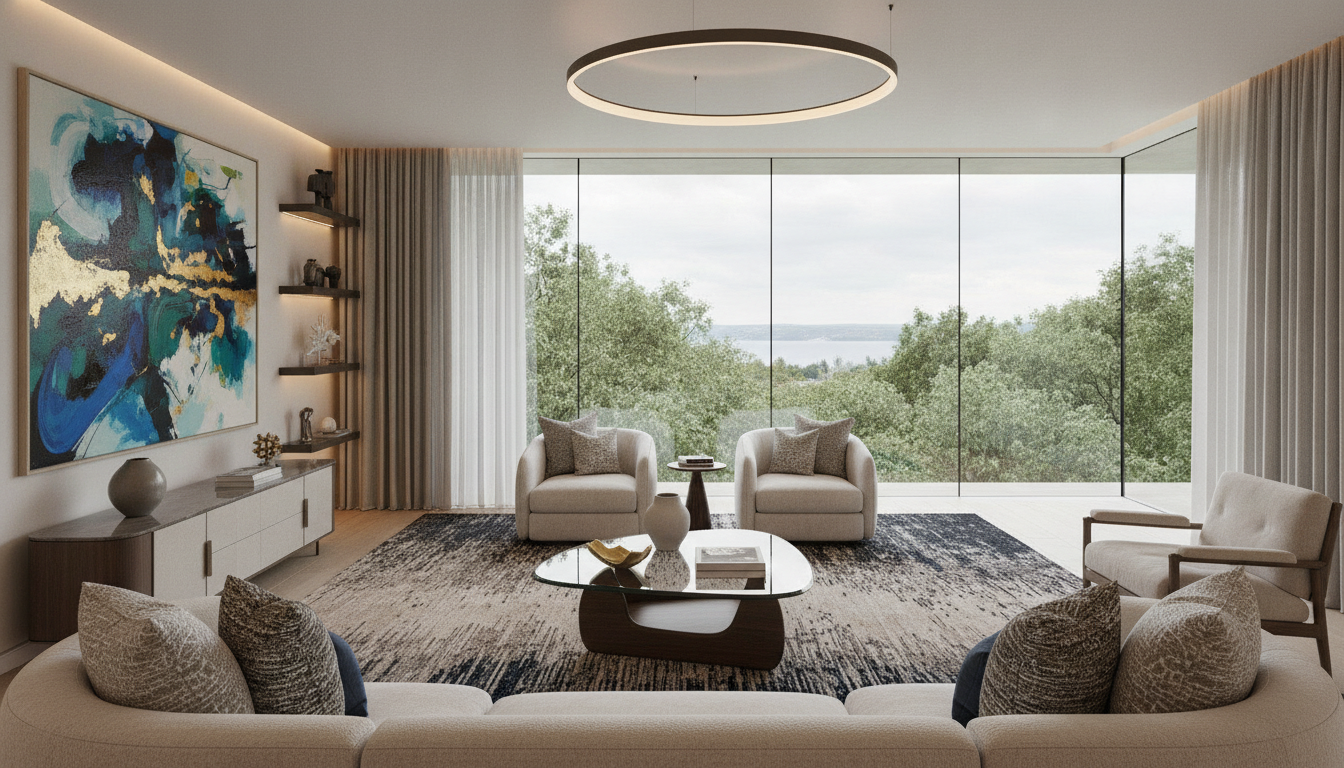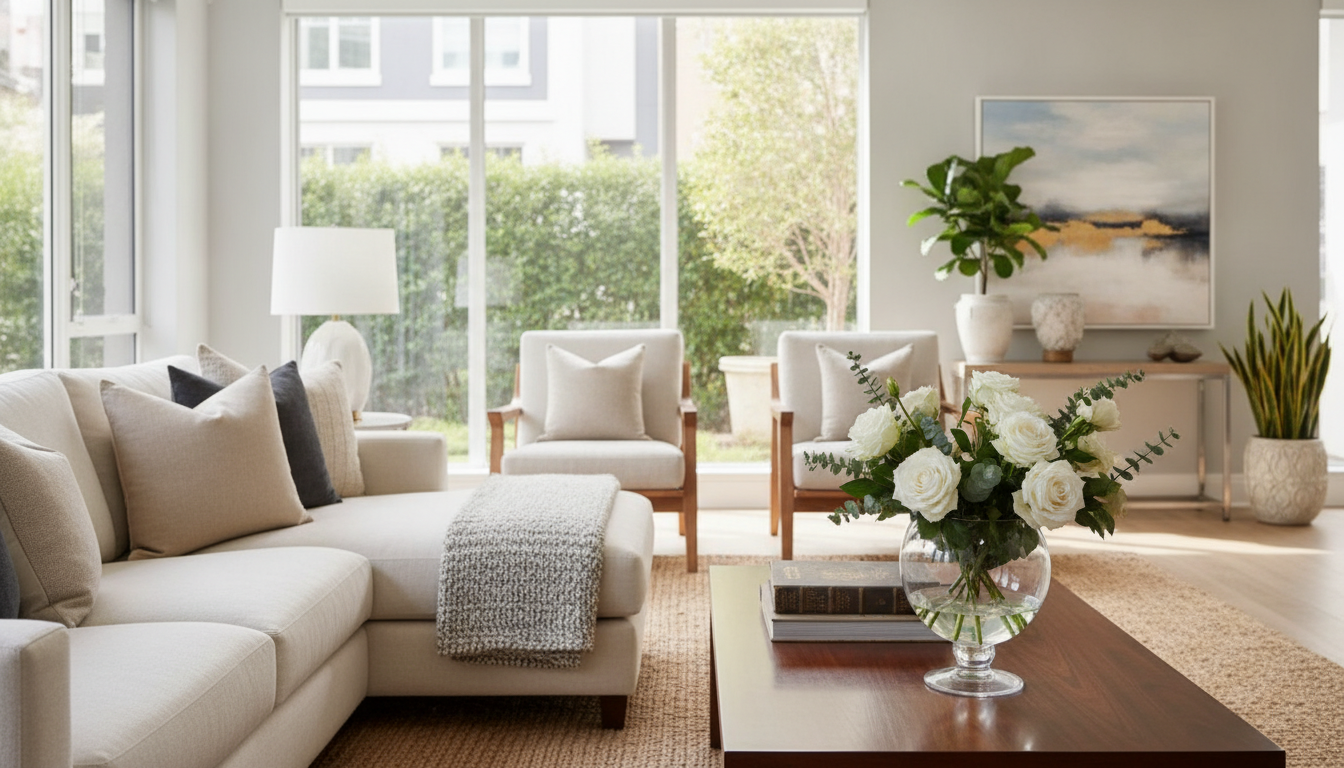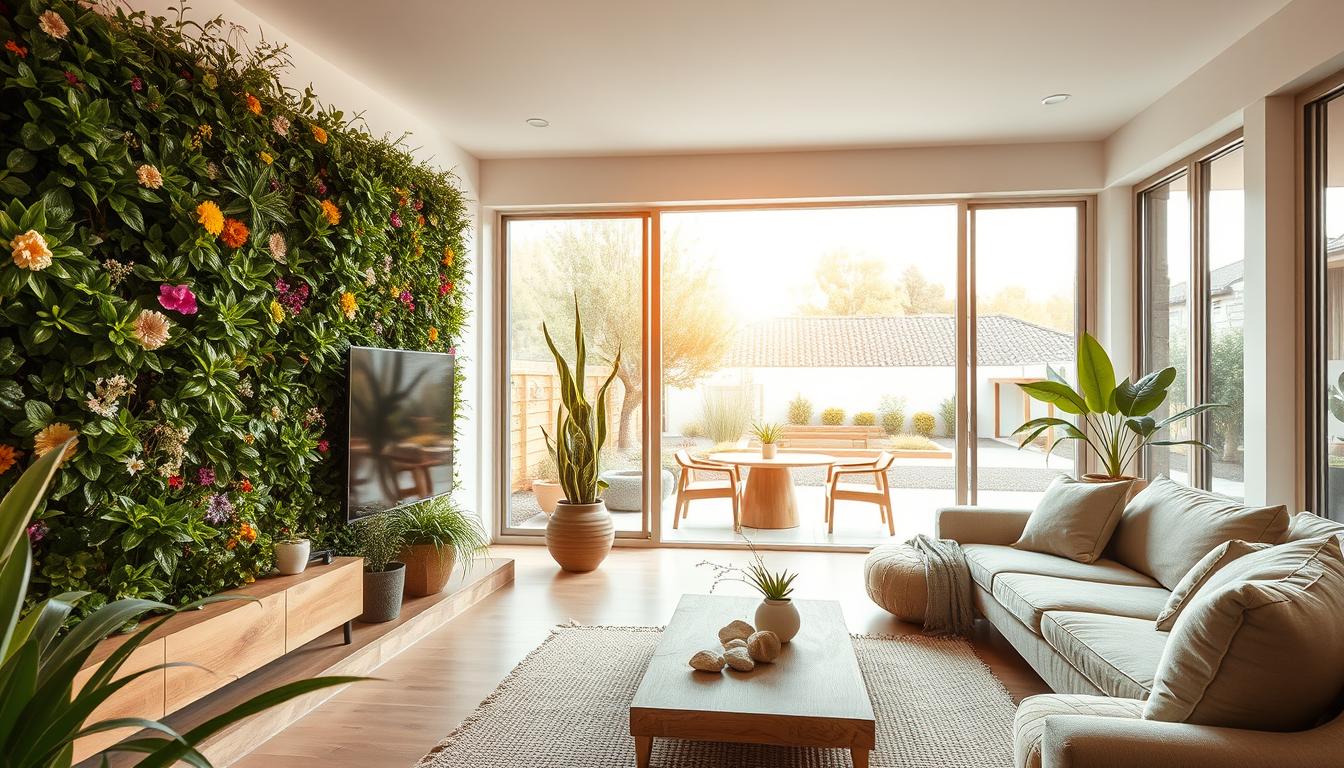
Did you know most Americans spend almost 90% of their lives inside? This can make us feel far from nature, affecting our minds and bodies.
Biophilic interior design is a way to change this. It’s not just about putting plants in rooms. It’s a way to connect our homes with the outdoors.
By adding natural elements to our homes, we make peaceful sanctuaries. This helps us feel less stressed and happier. Biophilic interior design helps us reconnect with nature and makes our homes more beautiful.
Key Takeaways
- Humans spend the vast majority of their time in indoor environments.
- Nature-inspired spaces significantly improve emotional and physical well-being.
- This approach goes beyond simple decoration to create a functional sanctuary.
- Integrating natural light and textures reduces daily stress levels.
- Small changes can foster a deeper connection to the natural world.
Understanding Biophilic Design Principles
Biophilic interior design connects us with nature in our homes. It makes our living spaces a bridge to nature’s healing power. By following these principles, we can turn any room into a vibrant and healthy place.
What is Biophilic Design?
This design philosophy uses our love for nature, called biophilia. It’s more than just adding plants; it’s a full approach to biophilic interior design. It focuses on natural light, organic textures, and flowing layouts. We aim to make spaces that feel alive and connected to the earth.
The Benefits of Going Green
Bringing nature into our homes improves our lives. Studies show it lowers stress and boosts our thinking. With biophilic interior design, we create a calm space that supports our health in today’s busy world.
| Design Feature | Traditional Approach | Biophilic Approach |
|---|---|---|
| Lighting | Artificial, uniform | Dynamic, natural daylight |
| Materials | Synthetic, plastic | Natural wood, stone |
| Air Quality | Mechanical filtration | Living plants, ventilation |
| Impact | Functional only | Restorative and healthy |
Incorporating Natural Light
We think natural light is key to great nature-inspired interiors. It makes our homes feel alive and happy. By letting sunlight in, we cut down on artificial light and boost our mood.
Strategies for Maximizing Daylight
To bring the outdoors in, we need to let light into our homes. Big windows are best for letting in warmth. Skylights are great for lighting up darker parts of the house.
Glass doors connect your home to the garden beautifully. They let you see the garden without solid doors getting in the way. This keeps your nature-inspired interiors bright all day.
Using Mirrors to Enhance Light
When we can’t change the structure, mirrors help spread light. A big mirror opposite a window reflects sunlight into the room. It makes the room seem brighter without adding lights.
“Light is the most important element in interior design, as it defines the mood and brings life to every corner of the home.”
Here’s a table showing how different surfaces affect light in your home:
| Surface Type | Light Effect | Best Placement |
|---|---|---|
| Large Mirrors | High Reflection | Opposite windows |
| Glossy Finishes | Medium Diffusion | Kitchen backsplashes |
| Sheer Curtains | Soft Filtering | Bedroom windows |
| Glass Furniture | Minimal Obstruction | Small living areas |
Using these tips, you can make any room bright and welcoming. It’s crucial for keeping nature-inspired interiors looking great in any weather.
Choosing the Right Plants for Your Space
We think picking the right indoor plants is key to great green design concepts. By choosing plants that do well in your space, you can make the air cleaner and feel less stressed. Thoughtful placement turns your home into a lively, oxygen-filled haven.
Low-Maintenance Indoor Plants
For beginners, starting with easy-to-care-for plants is wise. These plants need little care but offer big benefits for your health and home look.
- Snake Plants: Great for dark spots and clean the air.
- Pothos: Versatile and works well in different humidity levels.
- ZZ Plants: Very tough and perfect for forgetful waterers.
Seasonal Plant Variations
Changing your plants with the seasons keeps your space fresh and lively. We suggest swapping out plants to match the season, keeping you connected to nature.
In spring, add plants that bloom like peace lilies or orchids to brighten up. For winter, choose evergreens that bring stability and calm.
Arranging Plants for Visual Impact
How you display your plants matters a lot. Grouping plants of different sizes and textures creates a layered look, like a forest.
Place big plants by windows to draw the eye. Use smaller pots on shelves or tables. This careful arrangement makes your green design concepts pop and makes every part of your home welcoming.
Utilizing Natural Materials
We can turn any room into a peaceful space by using natural textures. Choosing materials that remind us of the outdoors makes our homes feel real and connected to the earth. This way of decorating is not only good for the planet but also makes our homes last longer and look great.

Wood and Stone Accents
Adding elements like reclaimed wood, granite, and bamboo makes any room more interesting. These materials connect us to nature and add warmth and stability. Authenticity is key when picking these pieces for your home.
“Nature does not hurry, yet everything is accomplished.”
Using raw wood or polished stone brings the outdoors inside. Whether it’s a bamboo wall or a granite countertop, these choices are good for the planet and last long. You can learn more about these elements by exploring biophilic interior design to improve your home.
Textiles that Reflect Nature
Fabrics are also key in our design strategy. Choosing organic fibers like linen, wool, and cotton shows our commitment to sustainable interior decor. These materials are soft and breathable, just like nature.
Here are some benefits of choosing these textiles:
- Durability: Natural fibers last longer than synthetic ones.
- Breathability: Materials like linen keep spaces comfortable all year.
- Aesthetic Appeal: Organic weaves add depth and character to any room.
By focusing on these high-quality, natural materials, we make our homes healthy and welcoming. Choosing sustainable interior decor is a simple yet powerful way to care for the environment and enhance our style.
Color Schemes Inspired by Nature
Nature-inspired interiors use colors found in nature. These colors turn our homes into peaceful retreats that clear our minds. They not only look good but also affect our mood.
Earthy Tones and Their Effects
Colors like soft greens and warm browns remind us of forest glades. They give us a sense of grounding and connect us to nature. Being around these colors can lower our stress levels.
Green is great for balance. It’s like the lush greenery we see in nature, making us feel safe and growing. Warm browns, on the other hand, add a cozy stability that makes rooms feel safe and welcoming.
Creating a Calming Palette
To create a harmonious home, use muted blues and sandy tones. These colors bring the calm of meadows and sandy shores into our homes. Mixing them creates a space that feels both open and stable.
Start with a neutral base like soft beige or stone gray. Then, add touches of sage green or sky blue for depth. This careful balance keeps your home a calm place all year round.
Bringing Water Features Indoors
Adding a water feature is a sophisticated way to enhance your indoor biophilic environments. By introducing the rhythmic sound and visual movement of water, we can create a space that feels alive and deeply connected to nature.

Benefits of Indoor Water Elements
Water features serve as more than just decorative accents. They act as natural sound buffers, effectively masking distracting background noise from busy streets or household appliances.
The gentle trickle of water promotes a sense of tranquility that helps reduce daily stress. When we integrate these elements, we invite a meditative quality into our homes. This encourages relaxation and mental clarity.
Choosing the Right Type of Feature
Selecting the perfect water element depends on your available space and maintenance preferences. For smaller areas, a compact tabletop fountain provides a soothing focal point without requiring significant floor space.
If you have more room, wall-mounted waterfalls offer a dramatic visual impact while maintaining a clean, modern aesthetic. Always consider the ease of cleaning and pump accessibility. This ensures your water feature remains a source of joy rather than a chore.
Creating Views and Vistas
Creating intentional views is key to great indoor biophilic environments. We often forget how our daily movements shape what we see and feel. By focusing on visual connections to nature, we bring calm and inspiration into our homes.
Designing with Sightlines in Mind
Start by looking at your floor plan and the paths you take daily. Arrange furniture to keep these paths clear of tall objects. This way, your eyes will naturally go to windows or glass doors.
In busy cities, you can still make meaningful visual portals. If your view is small, place a mirror opposite a window to reflect greenery or sky. This trick doubles the natural light and movement in your indoor biophilic environments.
Framing Outdoor Scenery
Think of your windows as frames for living art. Choose window treatments that don’t block the view when open. Simple, clean lines make the landscape the room’s focal point.
If you have a garden or a tree outside, prune branches to create a special vantage point. This turns a standard window into a dynamic piece of nature that changes with the seasons. Use the table below to pick the best window treatment for your needs.
| Treatment Type | Light Control | View Preservation |
|---|---|---|
| Sheer Curtains | Soft/Filtered | High |
| Roller Shades | Adjustable | Moderate |
| Plantation Shutters | High | Low |
| Minimalist Blinds | High | High |
Integrating Outdoor Spaces
Making your living room and garden flow together is key in modern green design concepts. We often see our homes as fixed boxes. But by opening up our floor plans, we can let the outdoors in. This way, we value fresh air and natural light as part of our daily life.
Designing Transition Areas
Transition areas connect our inside world with the outdoors. Atriums and open-concept entryways are communal hubs that bring us closer to nature. Using the same flooring from indoors to outdoors makes our space feel bigger.
Even small spaces, like a sunroom or a glass-enclosed porch, can be crucial. Designing these areas thoughtfully helps us move smoothly from indoors to outdoors.
“The best design is one that makes you feel like you are always in nature, even when you are sitting in your favorite chair.”
Effective Use of Patios and Balconies
Patios and balconies are often overlooked but hold great potential for green design concepts. We can turn these areas into outdoor living rooms with comfy seating and weather-resistant fabrics. Adding vertical gardens or potted trees frames the view, making it feel like a private oasis.
To make the most of these spaces, consider these enhancements:
| Feature | Primary Benefit | Design Impact |
|---|---|---|
| Vertical Planters | Space Efficiency | Adds lush greenery |
| Retractable Awnings | Climate Control | Extends usable hours |
| Outdoor Lighting | Ambiance | Enhances evening views |
| Natural Stone Tiles | Texture | Creates visual continuity |
By focusing on these details, our outdoor spaces stay useful all year. Embracing green design concepts lets us connect more deeply with nature from our homes.
Furniture Choices that Reflect Nature
We think furniture should do more than just sit on. It should connect us to nature. By picking pieces that look like the outdoors, we can make our homes feel like nature-inspired interiors. Every piece we choose helps us care for the environment.
Sustainable Furniture Alternatives
Choosing eco-friendly furniture is key to being responsible. When we pick sustainable interior decor, we protect the planet. We look for furniture made from reclaimed wood, bamboo, or recycled metals to reduce our impact.
These materials have a special history and feel. They can’t be found in mass-produced items. By choosing durable, ethically made furniture, we support a cycle of renewal, not waste.
Organic Shapes and Forms
Nature loves curves, not sharp angles. Curves remind us of water and vines. Furniture with organic shapes softens a room, bringing vitality and calm.
A chair with a curved back or a coffee table with a live-edge wood slab can be a highlight. These shapes make our homes feel welcoming and less formal. This way of decorating makes our homes feel more natural and open.
| Material Type | Sustainability Rating | Visual Texture | Best Use |
|---|---|---|---|
| Reclaimed Oak | High | Rustic/Deep Grain | Dining Tables |
| Bamboo | Very High | Smooth/Uniform | Shelving Units |
| Recycled Steel | High | Industrial/Sleek | Accent Chairs |
| Organic Cotton | Medium | Soft/Natural | Upholstery |
Adding these elements to your sustainable interior decor brings balance. Furniture that reflects nature makes our lives feel more connected to the outdoors.
Enhancing Wellness Through Design
By embracing biophilic interior design, we can turn our homes and offices into places that boost our well-being. We think our surroundings should do more than just look good. They should also care for our minds and bodies every day.
Introducing natural elements into our spaces lays the groundwork for a healthier life. This method helps us feel a sense of harmony and energy that’s often lacking in modern, cold environments.
Biophilic Elements that Promote Health
Studies show that indoor biophilic environments greatly enhance our thinking and productivity. Adding living walls, natural textures, and organic light patterns stimulates our brains in ways artificial settings can’t.
These elements subtly keep us focused and alert all day. Being surrounded by nature boosts our problem-solving skills and concentration.
Stress Reduction through Nature
The biggest benefit of these design choices is a big drop in stress. Being near plants, water, or natural wood makes us feel calm.
These features lower our heart rates and cortisol levels, helping us recover from a busy day. By focusing on indoor biophilic environments, we create a space that encourages deep breathing and recharging.
In the end, investing in biophilic interior design is an investment in our long-term happiness. We all deserve to live and work in places that improve our mental clarity and emotional balance.
DIY Biophilic Projects for Every Skill Level
Turning your home into a peaceful retreat is easy with a few simple steps. We think adding green design touches starts with small, doable tasks. These reflect your personal style.
Simple Craft Ideas for Beginners
Begin by placing small succulents on a windowsill or making a vertical herb garden in your kitchen. These small changes bring life to your home without big renovations. You can find sustainable decor from local artists to support eco-friendly living and refresh your space.
Intermediate Projects to Try
For a bigger step, try installing reclaimed wood shelves to show off your favorite plants. Building a stone accent wall with natural slate or river rock in your living room is also rewarding. These projects help you create a space that feels real and calming.
We invite you to try these ideas and find the right mix for your home. Every small change helps make your living space healthier and more lively. Share your journey with us as you build your own indoor paradise.