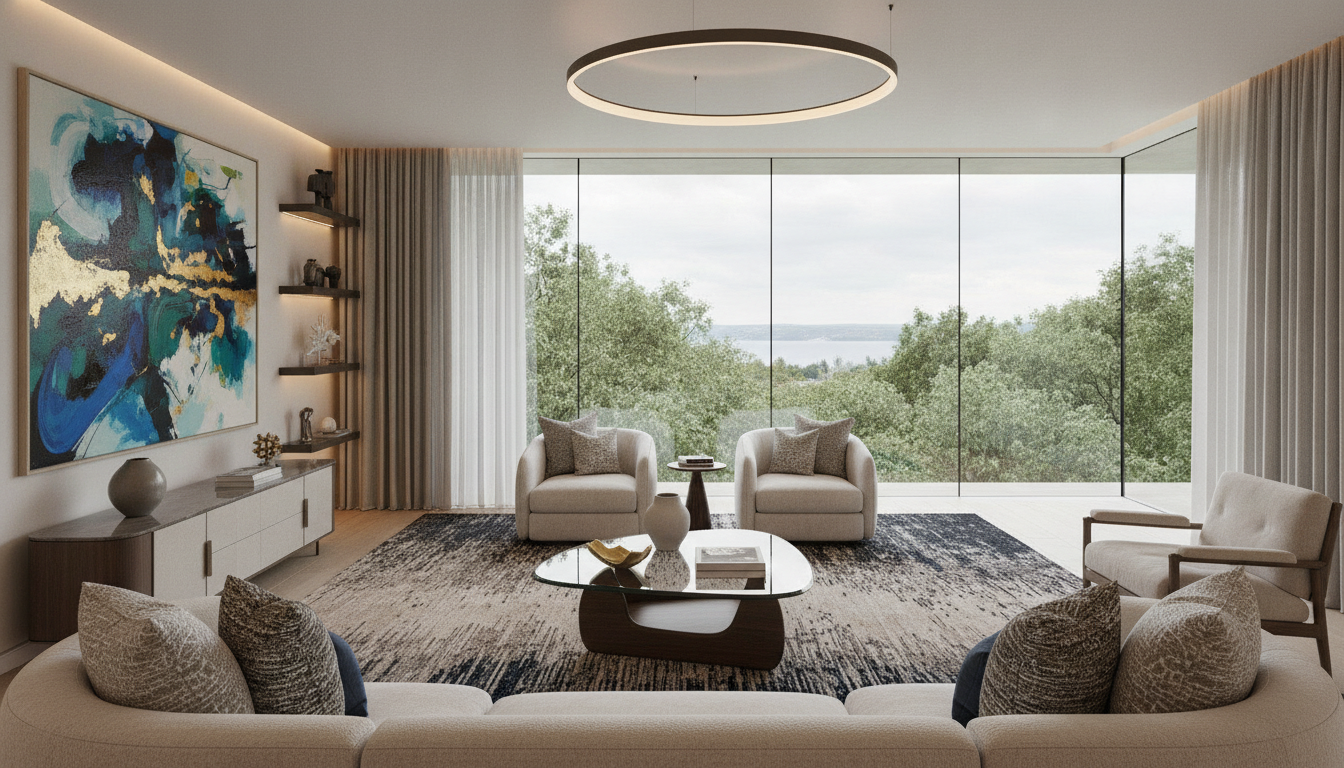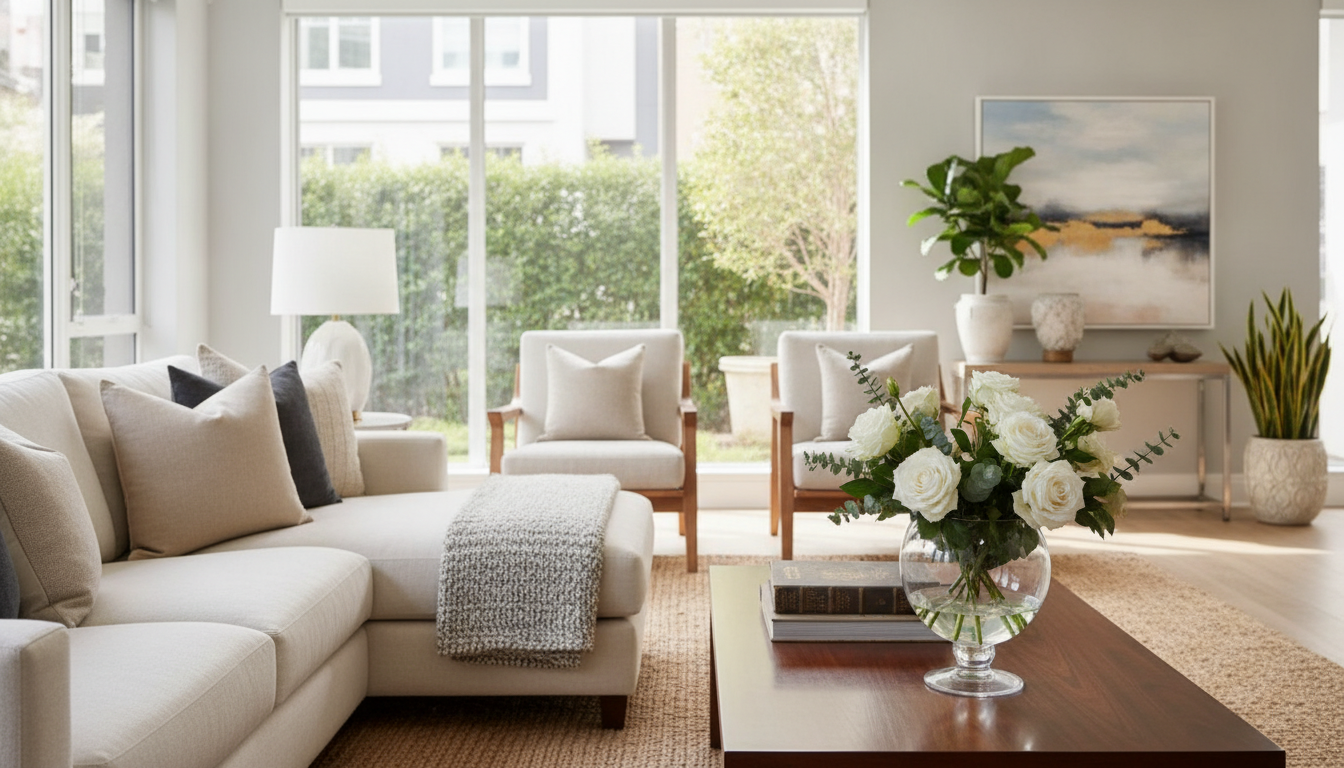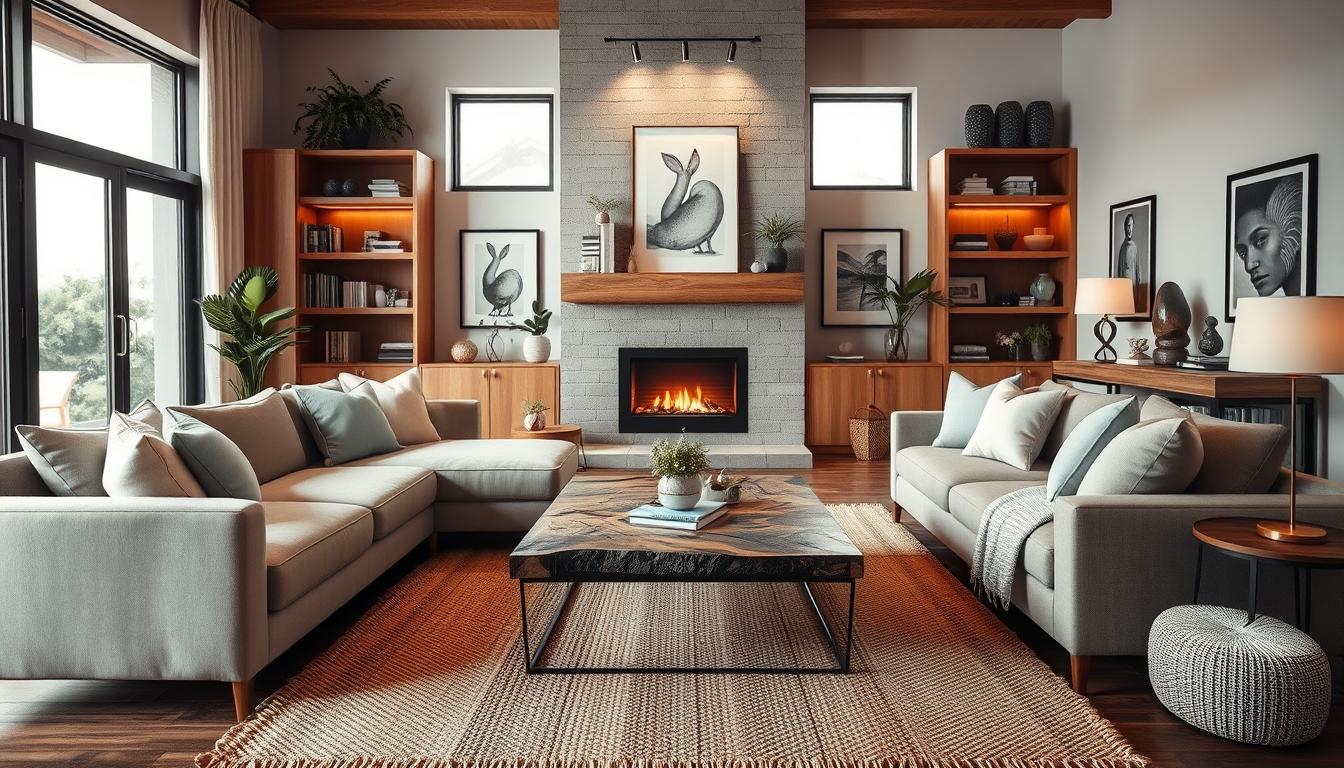
Did you know the average American spends nearly 70% of their waking hours at home? This is a lot of time spent in our main gathering areas. The way we arrange our surroundings greatly affects our mood and productivity.
We think making your living room beautiful and functional should be fun, not stressful. By focusing on looks and use, we can help you create a space that suits your lifestyle perfectly.
Our guide offers a comprehensive approach to check out your current space. We’ll find out what you need and want to make your home welcoming. Let us guide you to make your space show off your personal style easily.
Key Takeaways
- Assess your current space to identify functional needs before buying new furniture.
- Balance visual beauty with everyday utility to ensure long-term comfort.
- Create a cohesive environment by choosing a consistent color palette.
- Focus on lighting to enhance the mood and depth of your home.
- Keep the process simple by tackling one small area at a time.
Understanding Your Space and Needs
To get a living room interior design that looks great, we need to know our space and what it’s for. Looking at your room’s size and what you want from it helps avoid mistakes. By using expert tips, you can make a room that feels welcoming and well-thought-out.
Assessing Room Dimensions
Start by measuring your room carefully before buying anything. Knowing your room’s size helps you arrange furniture well and avoid clutter. Remember to think about where windows, doors, and outlets are, as these spots limit where you can put furniture.
Identifying Usage Requirements
Every home is different, and your design should match your lifestyle. Think about how you use your room. Is it for big gatherings, quiet time, or work? If you’re unsure, getting help from interior design experts can help clarify your vision.
Creating a Mood Board
Making a mood board is key when you have a small room. It lets you see how different things look together before buying. This step keeps your minimalist living room inspiration focused on what’s possible.
| Planning Factor | Primary Goal | Key Benefit |
|---|---|---|
| Dimensions | Spatial Accuracy | Prevents overcrowding |
| Usage | Functional Flow | Improves daily comfort |
| Mood Board | Visual Cohesion | Ensures style consistency |
Choosing a Design Style
Your living room is the heart of your home. Choosing a design style is a personal journey. It sets the tone for your space and every decision you make.
By focusing on living room interior design early, your space will feel cohesive and intentional.
Exploring Popular Styles
Many homeowners find clarity in established design movements. A modern living room design has clean lines and neutral colors. It also includes functional furniture that is sleek and inviting.
If you like something current, contemporary living room ideas are for you. They use fluid shapes and bold textures that follow trends.
For those who love peace and order, a minimalist style works well. It focuses on open space and quality materials. This style lets the room’s architecture shine without distractions.
Mixing Traditional and Modern Elements
We suggest mixing traditional and modern elements for a unique space. Combining an antique piece with a modern coffee table adds depth and character to your home. This mix prevents a room from feeling too sterile.
Balance is the key to this approach. Pairing a classic sofa with minimalist lighting is a good example. This way, your home tells a story that’s uniquely yours.
Defining Your Personal Style
Defining your style early prevents design fatigue. It helps you stay focused while shopping. Whether you prefer minimalist living room inspiration or something more eclectic, your choices should reflect your daily habits.
Don’t feel pressured to follow every trend you see. Instead, curate a look that balances your interests with current design standards. When you prioritize what makes you feel comfortable, you create a sanctuary that lasts.
Authenticity is the most important element in any successful design project.
Color Schemes for Your Living Room
We think color is a silent language in a well-designed home. The colors you pick for walls and furniture set the mood for your daily life.
Using Color Psychology
Color psychology is key in how a room feels. For a calming, restorative space, soft pinks or muted neutrals are great.
These colors reduce stress and bring peace. For contemporary living room ideas, these tones are perfect as a versatile background for your furniture.
Coordinating with Natural Light
Your paint choices must match your home’s natural light. Test samples at different times to ensure the space feels bright.
Rooms with little sunlight need warmer, lighter colors. Spaces with lots of southern light can handle cooler, deeper shades without feeling dark.
Accent Walls and Their Impact
Accent walls are great for focusing on architectural features. You can highlight a fireplace or a built-in bookcase for a striking visual impact.
This design lets you try bold, saturated colors while keeping the room cohesive. It’s ideal for minimalist living room inspiration, adding character without clutter.
| Color Palette | Primary Mood | Best Application |
|---|---|---|
| Muted Neutrals | Serene & Calm | Main Walls |
| Deep Navy | Dramatic & Bold | Accent Wall |
| Soft Pastels | Light & Airy | Small Spaces |
| Warm Earth Tones | Cozy & Grounded | Living Areas |
Furniture Selection and Layout
We think a beautiful home comes from matching furniture with the floor plan. A modern living room design is more than looks. It’s about how each piece fits in the space.
By mixing size and use, you make a space that’s welcoming yet professional.
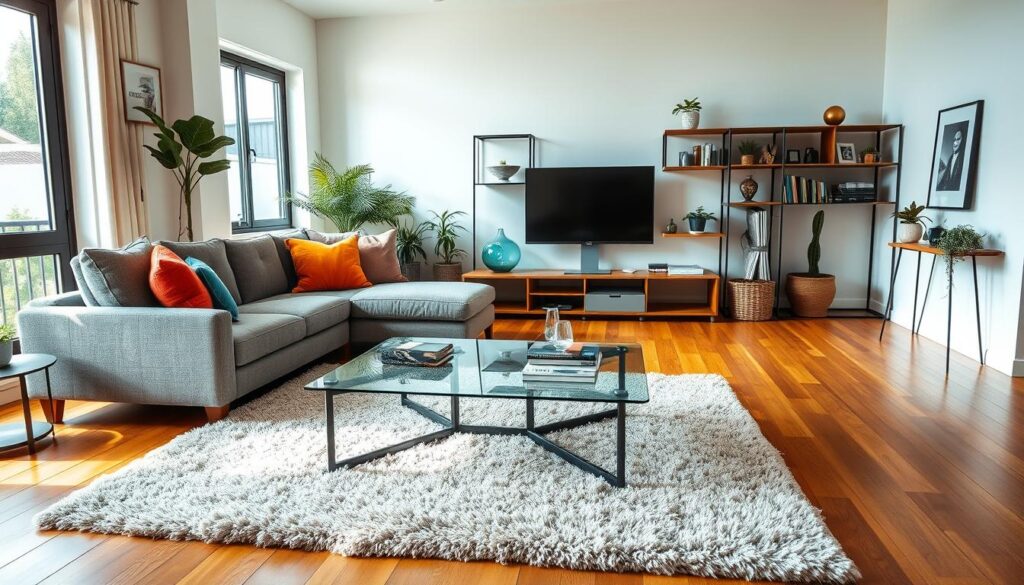
Choosing the Right Furniture Size
Choosing the right size is key, even in small living room decor. Big sofas can make a small room feel cramped. Small chairs can get lost in a big room.
Always measure your space before buying furniture. This ensures a perfect fit.
Area rugs help set up your furniture layout. For most rooms, rugs around 8’x10′ or 9’x12′ work well. Proper scaling makes furniture feel right at home.
Arranging for Comfort and Flow
A cozy living room layout means easy movement. Keep 30 to 36 inches of space between big pieces. This lets people move around without feeling stuck.
Think about your room’s main feature, like a fireplace or big window, when placing chairs. Angle chairs to the center for better conversation. Intentional placement turns a room into a lively spot for daily life.
Multi-Functional Furniture Options
Invest in luxury living room furniture that does more than one thing. Ottomans with storage or nesting tables are great. They add style and keep things tidy.
Choosing multi-functional furniture is smart. It makes your space work harder without losing style. Versatility is key to a modern home that meets your needs.
Lighting Your Living Room Effectively
The right lighting can change how you see your living space. It sets the mood and makes your home functional. In fact, 84% of people say natural light is key when looking for a new home.
Layering Different Types of Lighting
Using a layered lighting approach is best. A single overhead light can make shadows harsh and the room feel flat. Mixing different lights adds depth and warmth in the evening.
Here are the key lighting layers to include:
- Ambient lighting: Lights up the whole room.
- Task lighting: Brightens areas for reading or work, like floor lamps.
- Accent lighting: Highlights special features or art.
Choosing Fixtures that Compliment Style
Your light fixtures should be like jewelry for your room. Picking pieces that match your luxury living room furniture creates a unified look. A modern chandelier or sleek floor lamp can add both comfort and style.
Look for materials that match your furniture’s textures. This ensures every piece feels thoughtfully chosen. Such attention to detail makes your space feel curated, not just furnished.
Using Natural Light to Your Advantage
Using daylight is crucial for a bright home. Keep windows clear to let sunlight in. If you need privacy, use sheer curtains that still let light through.
Placing mirrors to reflect light can also brighten dark spots. By using the sun’s path, you can cut down on artificial light during the day. This makes your home healthier and more lively for everyone.
Incorporating Textures and Patterns
Turning a flat space into a lively room is all about textures and patterns. These elements add depth, making a house feel like a home. By focusing on stylish decor for living room layouts, you can create a space that’s both curated and welcoming.
Choosing Textiles and Fabrics
Choosing the right fabrics is key for a cozy, lived-in look. Mix materials like velvet, linen, and chunky wool for variety. These soft elements make guests feel at ease and make the space more inviting.
Layering throws and decorative pillows adds warmth to your furniture. This is a key part of stylish decor for living room design. It keeps furniture from looking too stiff or formal.
Using Patterns to Enhance Style
Patterns are the visual heart of a room, drawing the eye and adding energy. Start with a mix of scales, like a big geometric print with a small floral or stripe. This mix keeps the design interesting without feeling too busy.
Think about how patterns fit with your color palette. Patterns that share a common color create a cohesive look that ties the room together smoothly.
Balancing Texture for Visual Interest
A balanced room needs a mix of smooth and rough surfaces. If your space feels too plain, add a natural fiber rug or a textured wall hanging. This stylish decor for living room trick ensures no single thing takes over the room.
The best rooms feel layered over time. By balancing textures, you make a space that’s rich in visuals and deeply personal.
| Material Type | Best Use Case | Texture Feel |
|---|---|---|
| Velvet | Accent Pillows | Soft and Luxurious |
| Jute | Area Rugs | Rough and Natural |
| Linen | Curtains | Light and Airy |
| Bouclé | Armchairs | Cozy and Textured |
Personalizing Your Space with Accessories
Turning a house into a home is all about the small, special details. By adding items that mean something to you, your living space becomes warm and unique. It reflects your life and experiences.
Selecting Artwork and Decor Pieces
Choosing the right artwork sets the mood of a room. Pick pieces that match your style and go well with your luxury living room furniture. Whether it’s modern art or classic prints, these items are the heart of your design.
For inspiration, check out our professional design projects. See how we create stunning spaces. Thoughtful placement of these pieces keeps your room balanced and beautiful.
Utilizing Shelving for Display
Shelving is great for showing off your favorite items. In small living rooms, vertical storage is key. It makes the room look bigger and more organized.
Keep your displays neat by grouping items in odd numbers. This makes your space look better and avoids clutter. Change up your displays with the seasons to keep your space fresh and interesting.
Incorporating Personal Heirlooms
Family heirlooms or sentimental items add a lot of character to your home. They share your story and spark interesting conversations. Adding these to your stylish decor for living room makes your space rich and meaningful.
Consider putting a vintage clock on a mantle or a collection of antique photos on a gallery wall. Blending the old with the new is key to sophisticated design. It makes your home a true reflection of your journey, not just a showcase of trends.
Bringing Nature Indoors
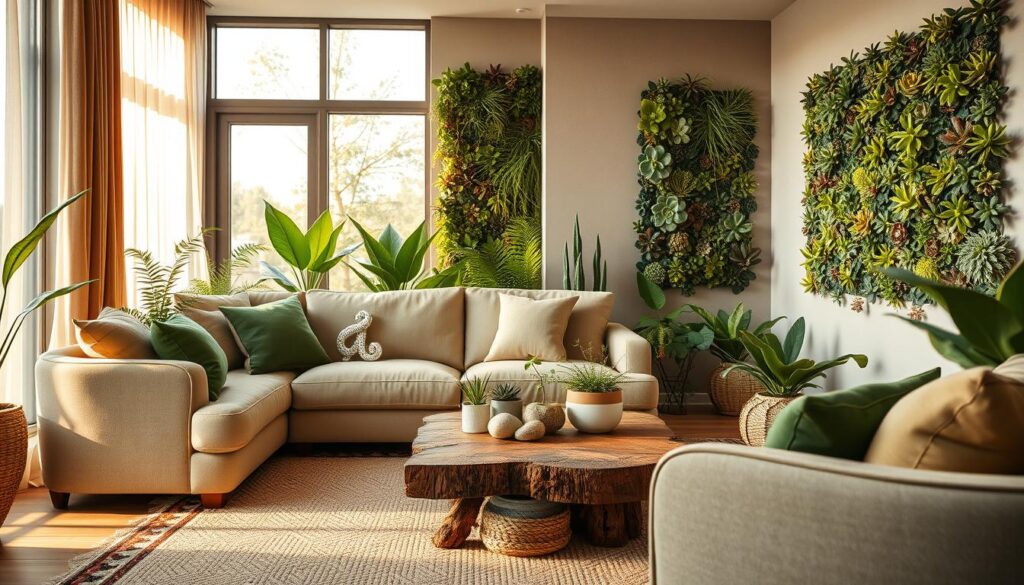
Bringing the outdoors inside can really change your home. Adding plants makes your space feel fresh and vibrant. It connects you to nature. You can make any part of your home a peaceful spot with the right plants.
“Nature does not hurry, yet everything is accomplished.”
Choosing Indoor Plants
Think about your home’s light when picking plants. Big plants like a Monstera Deliciosa need sunlight. But, smaller plants like Pothos do well in small spaces. Pick plants that fit your life and how much care you can give.
Benefits of Adding Greenery
Studies show plants and flowers can ease anxiety and make us happier. They also clean the air by removing toxins and adding oxygen. This makes your home air better.
Creative Plant Arrangement Ideas
Plants can be stylish decor for living room in many ways. Try grouping plants of different sizes on a stand for depth. Or, hang a trailing plant on a high shelf for a natural look.
Play with different pots and planters to fit your style. You can use simple ceramic or rustic baskets. Choose containers that make your plants stand out, not just add to the room.
Creating a Cozy Atmosphere
We think the key to a welcoming home is in the small details that touch all five senses. When you focus on comfort, your living room becomes a cozy escape from the outside world. Adding cozy living room ideas can make your daily life better.
Incorporating Soft Furnishings
Soft fabrics are the base of any cozy spot. Layering plush throw blankets and big pillows adds depth and warmth to your seating area. They not only feel good but also make your furniture look softer, which is key for a cozy room.
Choosing the Right Curtains
Window treatments do more than block light; they set the room’s frame and scale. Hanging curtain rods 4 to 6 inches above the window makes your room feel bigger and taller. This simple trick makes your home feel grander.
“Design is not just what it looks like and feels like. Design is how it works.”
The Role of Scent and Sound
A complete environment includes the unseen parts of design. Adding scents like vanilla or cedar can instantly change your home’s mood. Soft background sounds or speakers also help by blocking outside noise.
| Sensory Element | Primary Benefit | Implementation Tip |
|---|---|---|
| Textiles | Physical Comfort | Layer textures like wool and velvet. |
| Lighting | Visual Warmth | Use dimmable warm-toned bulbs. |
| Scent | Emotional Calm | Use essential oil diffusers. |
| Sound | Atmospheric Depth | Play acoustic playlists at low volume. |
By carefully choosing these sensory details, you make your home a sanctuary. A well-thought-out cozy living room layout brings lasting comfort. Try out these ideas to make your space feel like home.
Maintaining Your Living Room Design
Your home needs regular care to stay beautiful. We think small habits protect your investment. They keep your living space lively.
Routine Care for Lasting Beauty
Regular cleaning stops dust from building up on your favorite furniture. We recommend wiping down surfaces and vacuuming soft textiles. This keeps your modern living room design looking new for years.
Adapting to the Seasons
Changing small decor items lets your home change with the weather. We enjoy swapping throw pillows or adding seasonal greenery. These changes keep your cozy living room layout inviting all year.
Investing in Quality
Choosing durable materials from brands like West Elm or Pottery Barn makes furniture last longer. We suggest picking quality pieces that get better with age. Proper care turns your house into a home that shows your unique style.
What changes will you make to your space this weekend? We’d love to hear about your favorite design updates. Your journey to a perfect home begins with these small, thoughtful steps.