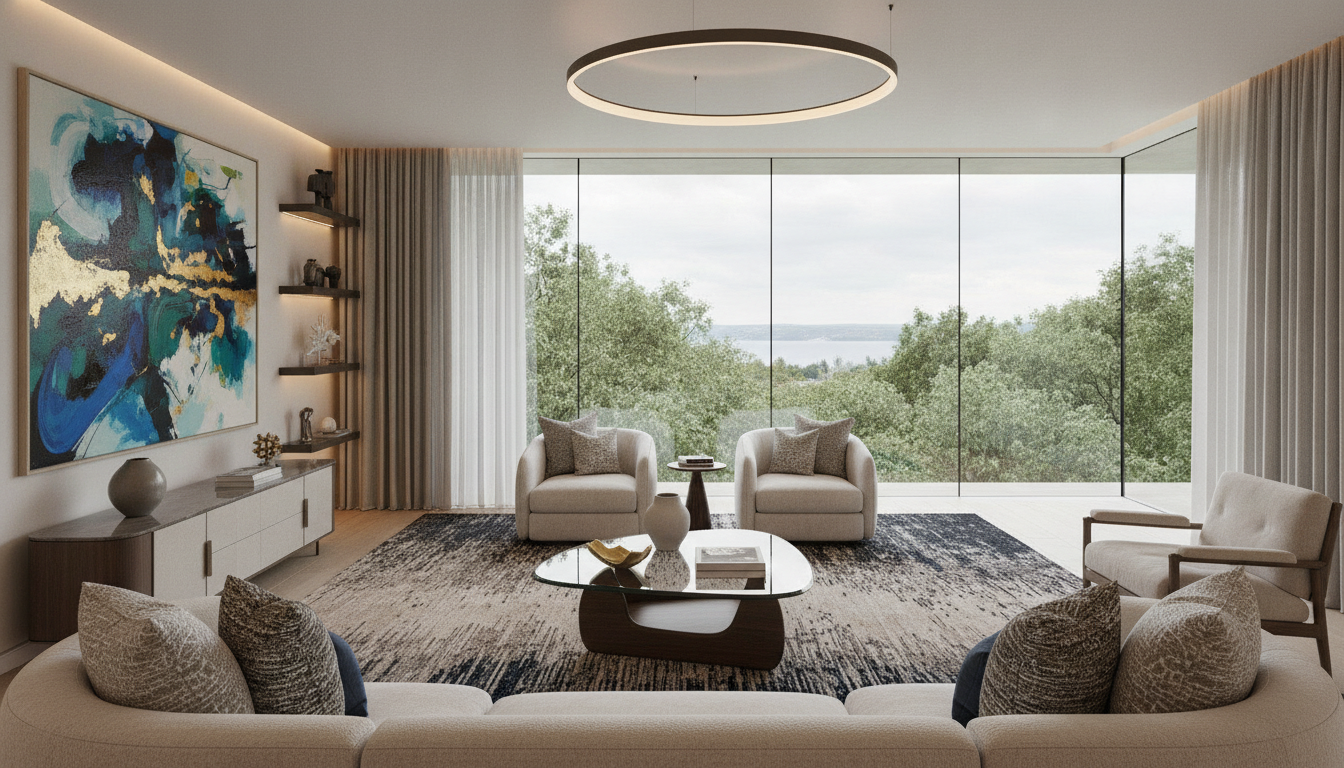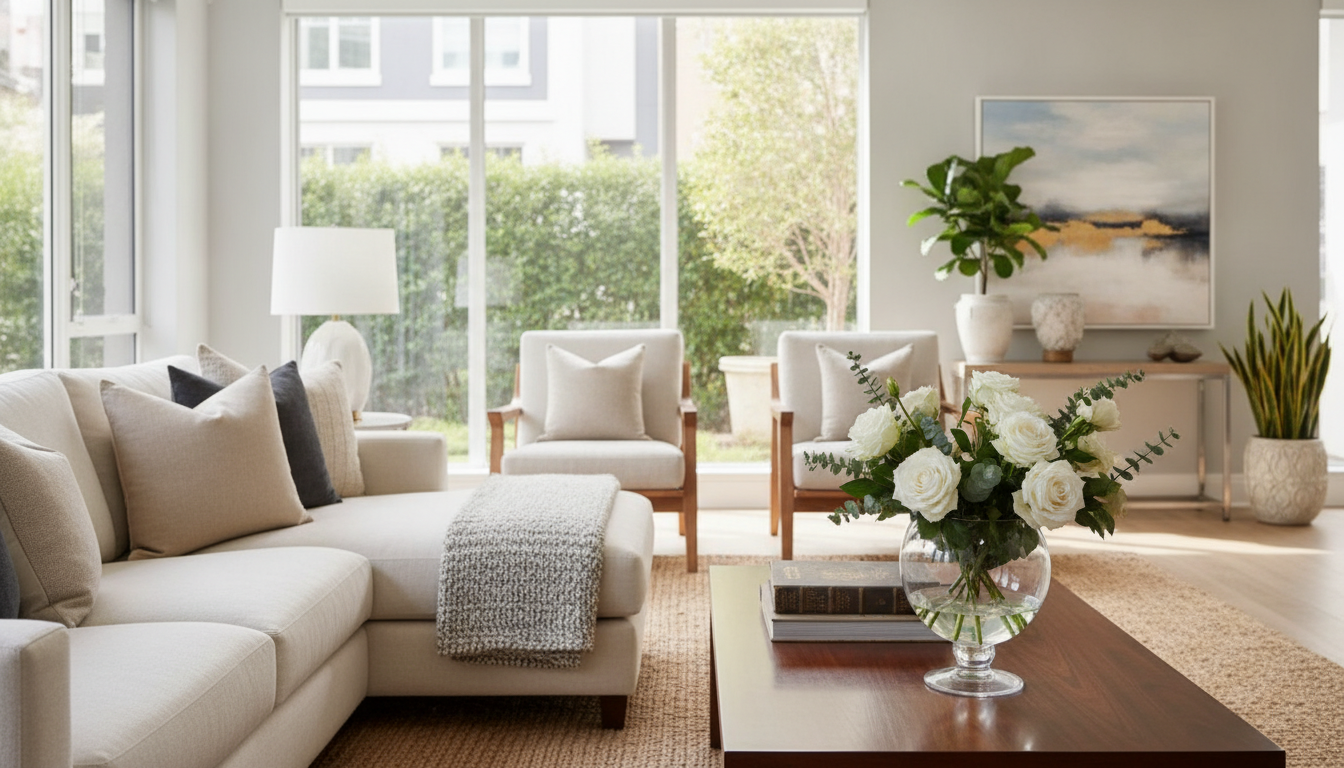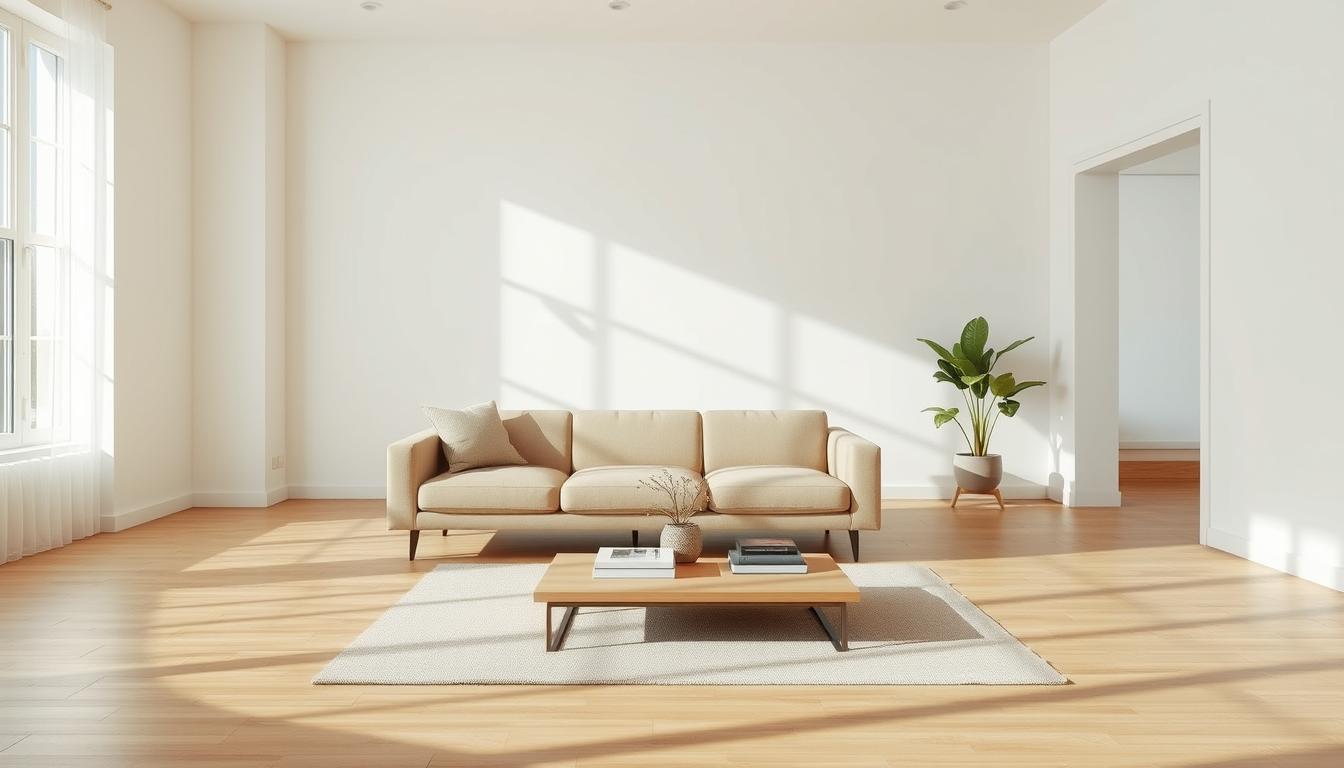
Did you know we spend almost 90% of our time indoors? Our surroundings greatly affect our mental state and stress levels.
A minimalist home interior is a key refuge from the world’s chaos. By removing things we don’t need, we make a calm space. This space helps our families stay focused and relaxed.
Adopting this lifestyle is more than just making your home look good. It’s about freeing your space from clutter. By valuing quality over quantity, you can make your home truly reflect your values.
Our guide offers practical steps to start your journey to a simpler, calmer life. Let’s work together to regain your peace of mind today.
Key Takeaways
- Less clutter means less stress every day.
- Living intentionally helps you focus on what’s important to your family.
- A simpler space leads to clearer minds and more relaxation.
- Choose quality over quantity in your belongings.
- Changing your living space is a path to personal freedom.
Understanding Minimalist Home Aesthetics
Our journey to a minimalist home interior is about moving from too much to just enough. It’s about finding what truly matters in our lives. This shift helps us see what’s essential for our daily needs.
The Philosophy Behind Minimalism
The heart of modern minimalist design is simple: less is more. We value quality over quantity. Every item in our home must have a purpose or bring joy.
Living with fewer things means more space for what’s important. This mindset helps us create a home that’s peaceful and clear. We see our homes as places of calm, not just storage.
Key Characteristics of Minimalist Design
A modern minimalist design is all about clean lines and purpose. We keep clutter away by giving each item its place. This balance brings harmony and function to our spaces.
To see the difference, let’s compare traditional and minimalist design:
| Feature | Traditional Design | Minimalist Design |
|---|---|---|
| Primary Focus | Decoration and Ornamentation | Function and Space |
| Color Palette | Bold and Varied | Neutral and Cohesive |
| Furniture | Decorative and Ornate | Sleek and Multi-functional |
| Overall Goal | Maximum Comfort | Intentional Clarity |
By grasping these principles, you can create a minimalist home interior that’s balanced. Removing the unnecessary lets your space’s beauty shine through.
The Benefits of a Minimalist Home Interior
Choosing a minimalist home interior is more than a design choice. It’s a path to mental clarity. By carefully selecting what we keep, we create a peaceful space that supports our well-being.
Removing the unnecessary turns our homes into places of calm. They become spaces where we can rest, not places that drain our energy.
https://www.youtube.com/watch?v=yiaOjHS9PDg
Reducing Clutter and Stress
Clutter distracts us and increases stress. Each item in our view competes for our attention, leading to overwhelm. By choosing minimalistic home decor, we reduce this visual noise.
A simpler space calms our minds. Fewer items mean less anxiety. This makes our homes easier to manage and less stressful.
Enhancing Focus and Productivity
A space with a clear purpose helps us stay focused. An organized environment leads to a clearer mind. This clarity is key for staying productive.
Removing distractions from our workspace boosts concentration. Whether working from home or doing household chores, a clean area helps us work better. Here’s how your environment affects your day:
| Feature | Cluttered Environment | Minimalist Home Interior |
|---|---|---|
| Visual Input | High distraction | Calm and focused |
| Stress Levels | Increased anxiety | Reduced tension |
| Maintenance | Time-consuming | Simple and efficient |
| Productivity | Often interrupted | Consistent output |
By choosing minimalistic home decor, you invest in your peace of mind. A well-organized home helps us thrive in a busy world. Start small and see how it improves your focus and life quality.
Choosing the Right Color Palette for Minimalism
A well-chosen color palette is like a silent anchor for your living space. In modern minimalist design, we look for colors that bring calm and order. A cohesive scheme makes every room feel connected and thoughtful.
Neutral Tones and Their Impact
Soft whites, warm beiges, or muted grays create a calming atmosphere. These colors are perfect for a peaceful living space. They let your home’s architecture stand out without distractions.
These tones also reflect natural light, making small rooms seem bigger. Staying with a single color prevents visual overload. This keeps your home looking clean and stylish.
Adding Color Sparingly
While neutrals are the base, we can add minimalist interior styling with intentional colors. A bright artwork or a textured throw pillow can be a focal point. These small touches prevent the space from feeling cold or empty.
The trick is to limit these accents to keep harmony. This balance makes your home feel welcoming. Thoughtful minimalist interior styling transforms a simple room into a cozy, modern sanctuary.
Selecting Minimalist Furniture
Changing your living space starts with picking furniture that’s both stylish and useful. Every piece in simple home interiors should be beautiful and serve a purpose. Clean lines and thoughtful design help create a calm and open feel.

The Importance of Functionality
Functionality is key to a well-organized home. Furniture should help with your daily life, not just take up space. Investing in high-quality craftsmanship means getting pieces that last and keep your space tidy.
Before buying new furniture, check what you already have. If something doesn’t help or make you happy, it’s time to replace it. This step is crucial for a minimalist living room design that feels thoughtful.
Tips for Choosing Multi-Functional Pieces
To make the most of your space, think creatively. Look for items that do more than one thing, like storage ottomans or tables that expand. These smart choices help keep your space clear while still being accessible.
- Choose ottomans with hidden compartments for blankets or books.
- Select coffee tables that feature lower shelves for extra storage.
- Opt for modular seating that adapts to your room layout.
| Furniture Type | Primary Benefit | Space Impact |
|---|---|---|
| Storage Ottoman | Hidden Organization | High Efficiency |
| Expandable Table | Flexible Dining | Space Saving |
| Wall-Mounted Desk | Compact Workspace | Floor Clearance |
Creating Space with Layout and Design
Choosing the right design can make a small room feel big. By using minimalist interior styling, we can change how our homes look and feel. It’s all about letting the space breathe by using empty space.
Open Floor Plans: Pros and Cons
Open floor plans make a home feel open and connected. They let in more natural light, making the space feel airy. But, without walls, it can be hard to set up different areas for different activities.
Without walls, you need to plan where to put your furniture carefully. A space can quickly get messy if not planned well. Using area rugs or lights can help define areas in an open layout.
“Space is the breath of art.”
Utilizing Vertical Space
To create a minimalist living room design, look up. Using vertical space keeps the floor clear. Installing shelves or hooks draws the eye up, making the room feel taller.
This method is key for keeping small homes looking clean. Strategic placement of storage on walls keeps the room from feeling small. Here’s a comparison of layout strategies to help you choose:
| Strategy | Primary Benefit | Best For |
|---|---|---|
| Open Floor Plan | Enhanced Flow | Social Living |
| Vertical Storage | Floor Clearance | Small Apartments |
| Zoned Layout | Defined Purpose | Multi-use Rooms |
Your minimalist living room design should match your needs and keep things tidy. By mixing open areas with smart vertical storage, you get a balanced minimalist interior styling that’s both thoughtful and welcoming.
Lighting in Minimalist Interiors
Light is a game-changer in any room. It sets the mood and makes a space functional. By using light right, you can make a room feel bigger and more open.
Natural Light vs. Artificial Lighting
First, aim to let in as much natural light as possible. Big windows and light curtains help. If it’s dark, use mirrors to bounce light around.
At night, artificial light takes over. Choose warm bulbs for a cozy feel. Use different lights to ensure you have enough light for everything, but keep it simple.
Choosing Simple Light Fixtures
Look for light fixtures with clean designs and quality materials. Steer clear of fancy ones that take over the room. A simple pendant or sconce can be a nice touch in your minimalist bedroom decor.
Always think about how useful a light is. Make sure it’s bright enough without being too busy. You want lights that blend into the background, lighting up just the right spots.
| Lighting Type | Primary Benefit | Best Placement |
|---|---|---|
| Natural Light | Energy Efficiency | Living and Dining Areas |
| Recessed Lighting | Visual Cleanliness | Hallways and Kitchens |
| Task Lamps | Focused Utility | Bedside Tables and Desks |
| Wall Sconces | Ambient Glow | Bedrooms and Entryways |
Incorporating Textures in Minimalist Design
Texture makes a room cozy and inviting. Minimalism often means smooth surfaces, but adding textures is key. This creates a space that looks good and feels relaxing.
The Role of Fabric and Material Choices
In modern minimalist design, we focus on clean lines and open spaces. But, flat surfaces alone can feel cold. Adding natural materials like linen, cotton, and wool warms up the room.
These fabrics contrast nicely with the hard edges of furniture. High-quality textiles keep your home cozy while looking elegant. Tactile variety makes a house feel like home without clutter.
Mixing Textures for Interest
Good minimalist interior styling is about layering materials. Mixing different textures prevents a room from feeling flat. For example, a wool blanket on a leather sofa adds depth.
Try combining velvet cushions with linen curtains for a sophisticated look. This method adds interest without busy patterns or too many decorations. Here’s how different materials can enhance your space:
| Material | Texture Type | Best Use |
|---|---|---|
| Chunky Wool | Coarse/Soft | Throws and Rugs |
| Brushed Velvet | Plush/Smooth | Accent Pillows |
| Raw Linen | Natural/Woven | Curtains and Bedding |
| Polished Wood | Hard/Grainy | Tables and Shelving |
Adding Personal Touches Without Clutter
Turning your living space into a cozy sanctuary is all about finding the right balance. It’s common to worry that a clean look means losing your personal touch. But, minimalistic home decor is about choosing items that truly matter to you.
We believe in curating, not collecting. Instead of filling shelves with lots of small items, we pick meaningful pieces. This way, your home shows your journey and stays calm.

Art and Decoration Ideas
When looking at minimalism decorating ideas, remember the power of scale. A big canvas print can anchor a room better than many small frames. It creates a focal point that draws the eye without feeling too much.
To display personal items without clutter, follow these tips:
- Choose one high-quality piece of art that evokes a strong emotional connection.
- Rotate your decorative items seasonally to keep the space feeling fresh.
- Use negative space around your favorite objects to let them breathe.
Using Plants to Warm Up the Space
Plants are great for adding life and texture to your home without clutter. They bring organic shapes and colors that soften modern interiors. Plus, they improve air quality, making your home feel more inviting and alive.
To use greenery well, focus on quality over quantity. A big, sculptural plant like a Fiddle Leaf Fig or a Snake Plant can be a living sculpture. These minimalism decorating ideas show you don’t need a lot of decor to make a house feel like home.
Practical Storage Solutions for Minimalist Homes
We think that keeping things organized is key to a beautiful, simple home interiors. When everything has its place, your home stays calm and clutter-free. Check out more minimalist storage solutions to make your daily life easier.
Hidden Storage Ideas
To keep your home looking clean, hide everyday items. Use hidden compartments like ottomans with storage or built-in cabinets. These hide electronics, books, and more without taking up floor space.
Under-bed storage is also a big help in small rooms. Choose bed frames with drawers to save space and keep items hidden. For more ideas, visit spaceinterior.web.id to see how experts organize small spaces.
Using Minimalist Baskets and Containers
Choosing the right storage is important. Use the same baskets and containers to keep things looking good, like on open shelves or in closets. Natural materials like seagrass or fabric bins add a cozy touch while keeping things tidy.
In a minimalist bedroom decor, pick containers that match your colors to avoid mess. Group similar items in labeled or color-coded bins. This keeps your surfaces clean and welcoming. Organization should be easy, so you can enjoy your home without worrying about mess.
- Use matching bins for a uniform appearance.
- Label containers to keep track of stored items.
- Prioritize vertical storage to save floor space.
Maintaining Your Minimalist Interior
The beauty of a minimalist home comes from daily habits. These habits help keep your space intentional. It takes consistent effort and careful thought about what you bring in.
Regular Decluttering Habits
Preventing clutter is key. We recommend a “one-in, one-out” policy. This means getting rid of something old when you buy something new. It keeps your space balanced and clutter-free.
Set aside a few minutes each week to check your space. Look for things that don’t belong anymore. This keeps your minimalist living room design open and inviting all year.
Seasonal Refresh Strategies
Seasonal changes are a great time to refresh your space. Try rotating your decor to keep things feeling new. This is also a chance to explore new minimalism decorating ideas that match the season.
In your minimalist bedroom decor, switch to warmer linens as it gets colder. You can also swap out a piece of wall art or a small decoration. This way, every change adds to the sense of lasting peace and intentionality.
Shopping Tips for Minimalist Home Decor
Creating a calm living space means changing how we shop. We recommend choosing quality over quantity. This way, every item has a purpose and lasts long.
Looking for the right minimalistic decor? Check out West Elm or Muuto for their simple designs and durable materials. These brands help us live sustainably. For more ideas, read this guide to minimalist homes.
Sourcing Quality Pieces
Combining high-end furniture with DIY projects is key. A handmade shelf or a custom-painted table adds charm without clutter. This approach lets us make our space truly ours, within our budget.
Making Sustainable Choices
Every buy should make our lives better. We wait a few days before buying new things. This patience keeps our home true to our values, not just a collection of trends. This mindful shopping makes our home both lovely and personal.